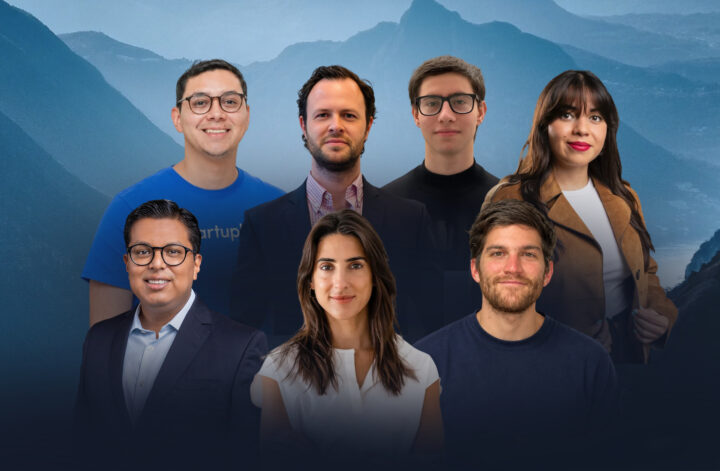
Escribo estas líneas con las rodillas casi pegadas al asiento de adelante. Voy en un pequeño asiento, a más de 30,000 pies de altura, cruzando las Américas rumbo a San Francisco. Y voy conectado a internet. Hace diez años esta escena me habría parecido imposible.
Durante mucho tiempo, un vuelo largo fue para mí sinónimo de desconexión. De hecho, para este venía preparado: un libro, algunos podcasts descargados, una siesta, la eterna tarea de borrar fotos del celular y, quizá, alguna película del menú de entretenimiento. Pero todo cambia, y más rápido de lo que imaginamos. El espacio sigue siendo mínimo; el mundo, en cambio, cabe completo en mi pantalla. Respondo mensajes, leo las noticias del día, reviso el pitch de una startup que conocí hace una semana. Sigo siendo parte de la conversación global, aunque vaya suspendido sobre las nubes.
Es una evolución más del nómada digital. Y es también el hilo de la historia que me trae hasta este asiento.
El día que todo cambió
Todo empezó el 13 de marzo de 2020, con la llegada de la pandemia. Como a millones de personas, el COVID-19 me cambió la vida por completo. En cuestión de semanas, la compañía que dirigía como CEO perdió más del 70% de sus ingresos. Fueron meses de incertidumbre, de decisiones difíciles y de esa pregunta incómoda que todo emprendedor conoce: ¿y ahora qué?
No tenía tiempo ni dinero de sobra, así que encontré una sola forma de diversificar: empezar a hacer inversiones como business angel. Eran apuestas pequeñas, pero me obligaron a mirar el ecosistema desde el otro lado de la mesa. Ya no era solo el founder que buscaba capital; ahora era quien escuchaba pitches, analizaba equipos y trataba de entender qué hace que una startup sobreviva.
Ese paso me devolvió a un territorio conocido. En 2012 había cofundado una startup, así que el mundo del venture capital no me era ajeno. Pronto mi carrera dio un giro: dejé el rol de CEO y fundé Cuantico VP, una compañía dedicada a impulsar el capital de riesgo desde los datos y la investigación. La crisis que amenazaba con frenarme terminó empujándome hacia donde realmente quería estar.
Bastaron un par de estudios desde Cuantico VP para ver algo que sigue siendo cierto: Latinoamérica tiene un problema de posicionamiento. Fuera de la región, lo primero que muchos asocian con Latam es pobreza, corrupción y la serie Narcos de Netflix. La innovación aparece como algo escaso, casi inexistente.
Esos desafíos son reales, pero no son nuestra esencia. América Latina ha producido innovaciones extraordinarias: compañías que transformaron el comercio electrónico, la banca digital y la movilidad para cientos de millones de personas, construidas en contextos donde emprender exige el doble de creatividad y resiliencia. La lista de founders y compañías que lo demuestran haría interminable esta columna.
El problema no es que la región tenga problemas. Es que la historia que nosotros mismos contamos pesa mucho más hacia lo negativo que hacia lo positivo. Y esa narrativa tiene consecuencias concretas: menos capital, menos alianzas, menos talento que decide quedarse o volver, menos confianza en que desde aquí se puede construir algo de clase mundial.
Desde entonces, dar visibilidad a lo bueno se convirtió en el eje de todo mi trabajo. Creamos plataformas, iniciativas, eventos, marcas y medios para amplificar a quienes innovan y empujan a la región hacia adelante. Me convertí en aliado (y en algunos casos hasta socio) de grandes constructores de ecosistema. Cada historia contada era una pequeña corrección al mapa mental que el mundo tiene de nosotros.
Y así llega Nomada Fund

Después de más de cinco años de recorrido, esa semilla germinó en Nomada Fund: el primer fondo de New Media a nivel mundial y pionero en el modelo Distribution for Equity (D4E).
La idea es tan sencilla como poderosa. Nos aliamos con las comunidades, medios y plataformas de VC más dinámicas del ecosistema para ofrecer a las startups de la región visibilidad y posicionamiento de forma sistemática y estructurada. A cambio de esa distribución, participamos en su crecimiento. No se trata de una nota de prensa aislada ni de un post que se pierde en el feed, sino de una presencia constante frente a las audiencias que realmente importan.
Y lo hacemos a través de New Media, canales que no dependen de algoritmos: newsletters, comunidades, eventos y podcasts. Espacios donde la relación con la audiencia es directa, donde la confianza se construye con el tiempo y donde ningún cambio en una red social puede borrar de un día para otro lo que se ha logrado.
La “distribución” es la nueva ventaja
El modelo operativo de Nomada Fund nace de una convicción que se resume en una frase: distribution is the new moat. Creemos que la atención es un activo tan valioso como el capital, o incluso más.
Durante años, la ventaja competitiva de una startup estuvo en su tecnología. Construir software era caro, lento y difícil. Hoy, en la era de la inteligencia artificial, cualquiera puede construir un producto en un fin de semana. Cuando construir se vuelve fácil, lo escaso pasa a ser otra cosa: la capacidad de llegar, de forma sistemática y sostenible, a las personas correctas. Los futuros clientes, aliados e inversores que convierten una buena idea en una gran compañía.
A 30,000 pies
Por eso voy aquí, en este asiento pequeño e incómodo, camino a San Francisco. Para seguir contando que Latinoamérica construye en colaboración, que ningún founder llega lejos solo y que la innovación tecnológica también es parte de nuestra realidad.
Hace unos años, estar en un avión significaba quedar fuera de la conversación. Hoy, desde este mismo asiento, puedo ser parte de ella. Creo que a Latinoamérica le pasa algo parecido: durante décadas estuvo desconectada de la historia global de la innovación, no por falta de talento, sino por falta de canales para contarla. Esa desconexión ya no es inevitable.
Así como ningún avión despega con un solo pasajero, ningún ecosistema crece con un solo ingrediente. Nomada Fund existe para que más startups latinoamericanas tengan un asiento en este vuelo de la visibilidad y posicionamiento. Puede que no sea en primera clase, pero lo importante es estar a bordo. Esa es nuestra apuesta, y es la razón por la que hoy escribo desde un asiento estrecho, conectado al mundo y convencido de que lo mejor de la región todavía está por contarse.
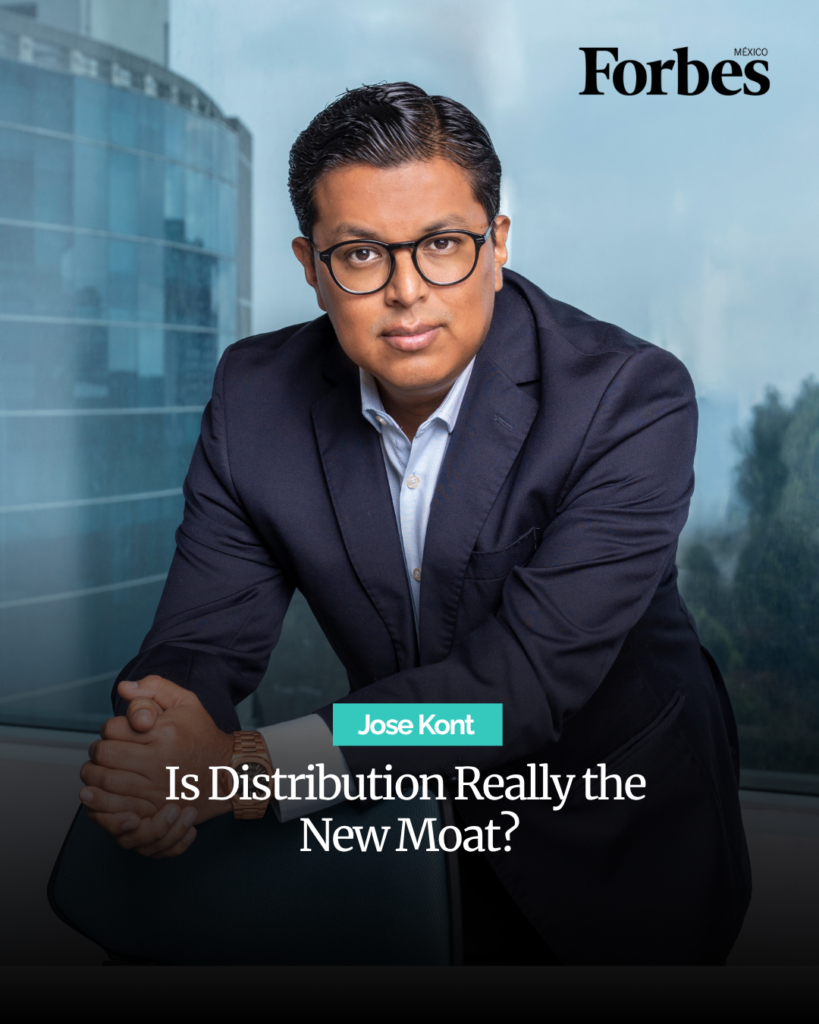 A large following doesn’t guarantee market power. A small community that responds, tries products, and recommends a brand can be worth far more than a huge audience that barely sees the posts.

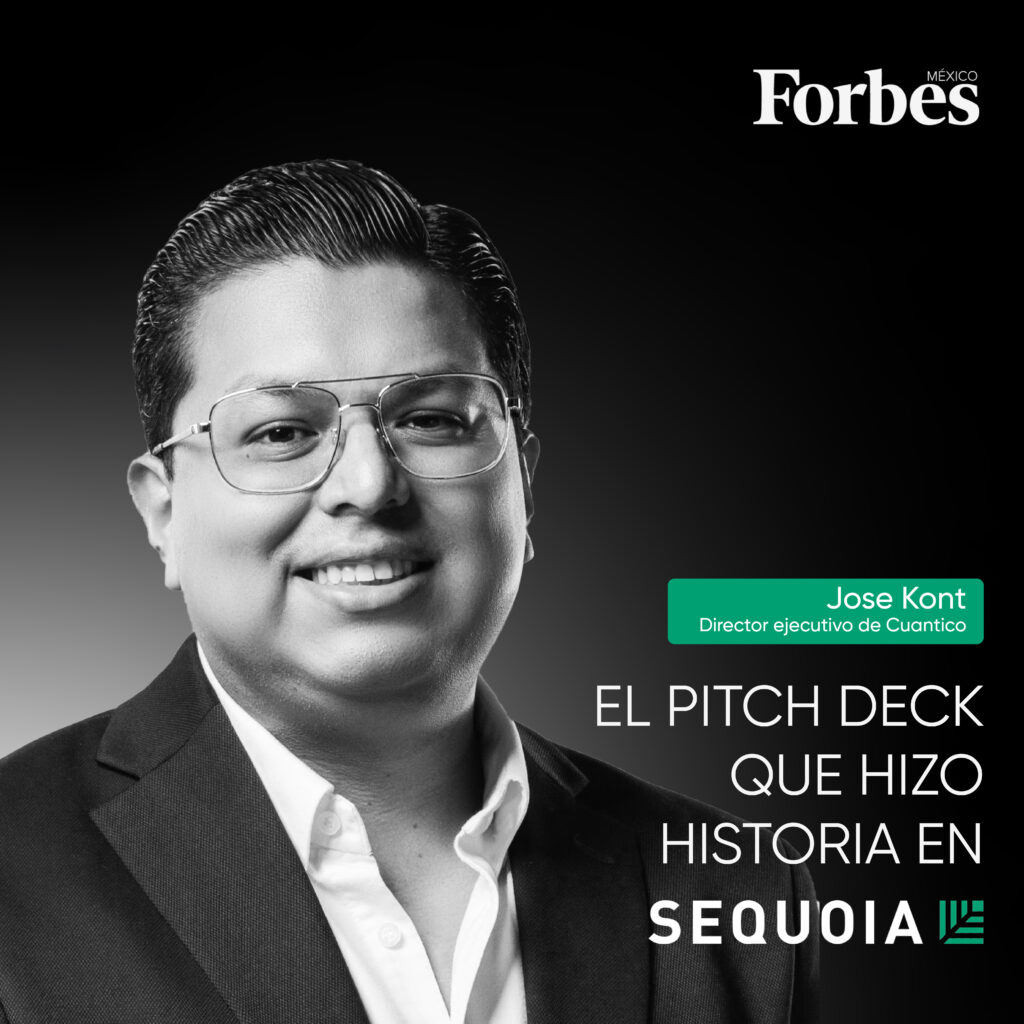 La guía de Sequoia sobre cómo escribir un plan de negocios llegó a sus manos y el resto es historia. Crearon un pitch deck excepcional. Pero lo que realmente captó la atención de Sequoia no fueron las diapositivas en sí, sino sus ideas, la claridad de su pensamiento y la magnitud de su ambición. Los inversores de capital de riesgo aman asociarse con fundadores decididos a materializar ideas que la sabiduría convencional considera imposibles. Además, prefieren involucrarse desde el principio, cuando una idea está recién formada y tiene el máximo espacio para crecer.